In our fast-paced modern life, a carefully crafted cup of coffee is not just a way to wake up – it's a lifestyle statement. In 2026, specialty coffee culture continues to flourish, bringing unprecedented diversity and quality to coffee enthusiasts worldwide. Let's embark on a journey to explore the most worthwhile coffee beans and brewing methods to try this year.
What is Specialty Coffee?
Specialty coffee is more than just a synonym for high-quality coffee. It represents a pursuit of excellence in every step from cultivation, harvesting, and processing to roasting. According to the Specialty Coffee Association (SCA), only coffee beans scoring 80 points or above can be called specialty coffee.
The journey of specialty coffee begins at the farm level, where coffee farmers carefully select the best varieties and employ sustainable farming practices. These beans are typically grown at higher altitudes, where cooler temperatures slow the maturation process, allowing the beans to develop more complex flavors. The dedication to quality continues through every stage – from the precise timing of harvest to the meticulous processing methods that highlight each coffee's unique characteristics.
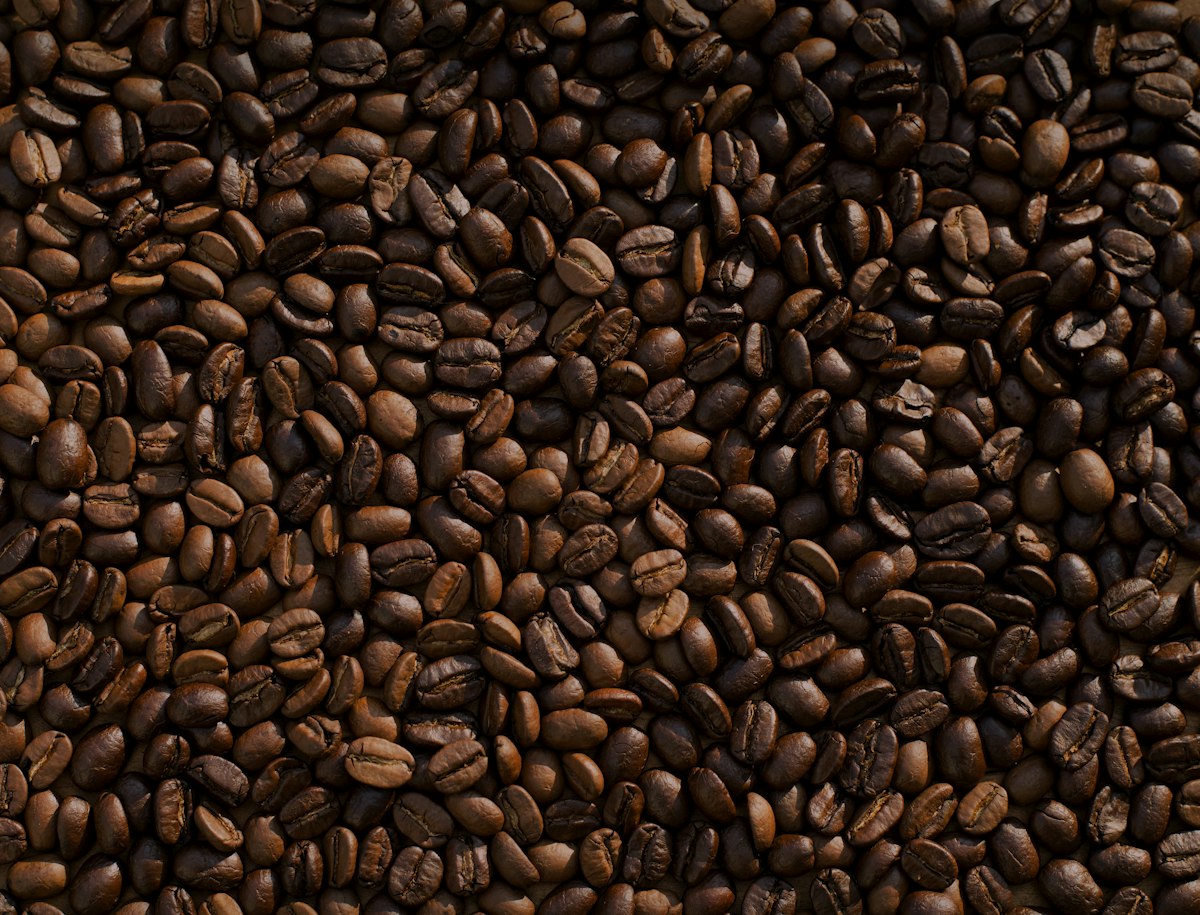
Every bean of specialty coffee is carefully selected for optimal flavor
Top Coffee Bean Recommendations for 2026
This year's specialty coffee scene offers an exciting array of exceptional beans from around the world. Each origin brings its own unique terroir and flavor characteristics, creating a diverse palette for coffee lovers to explore. Here are our top picks that stand out for their exceptional quality and distinctive taste profiles.
1. Ethiopian Yirgacheffe
Origin: Sidamo Province, Ethiopia
Flavor Profile: This coffee is famous for its distinctive floral and citrus notes. It has pronounced lemon and jasmine aromas on the palate, a honey-like sweetness in the mid-notes, and a long, clean finish. The washed processing method preserves the purest flavors of the coffee.
Recommended Brewing: Pour-over or siphon, water temperature 90-92°C (194-198°F)
Price Range: $25-40 per 250g
2. Colombian Huila
Origin: Huila Region, Colombia
Flavor Profile: This is an exceptionally well-balanced coffee with rich nutty and chocolate aromas, complemented by subtle caramel sweetness. The acidity is moderate, and the body is full – making it an ideal choice for espresso. Colombian Huila represents the perfect harmony between sweetness and complexity, with notes of dark chocolate, toasted almonds, and a hint of dried fruit that lingers on the finish.
Recommended Brewing: Espresso or French press
Price Range: $20-30 per 250g
The Huila region benefits from ideal coffee-growing conditions, with volcanic soil and a microclimate that produces beans with exceptional clarity and depth. This coffee is particularly versatile, performing beautifully whether brewed as espresso or through immersion methods like French press.
3. Panama Hacienda La Esmeralda Geisha
Origin: Boquete Region, Panama
Flavor Profile: Known as the "Champagne of Coffee," Geisha has won over countless coffee enthusiasts with its unique and complex flavors. It features intense tropical fruit aromas like mango, papaya, and passion fruit, accompanied by jasmine florals, with a silky smooth mouthfeel. The Geisha variety is celebrated for its extraordinary cup profile that defies conventional coffee descriptors, offering a tea-like clarity combined with explosive aromatics.
Recommended Brewing: Pour-over, water temperature 87-89°C (189-192°F)
Price Range: $80-150 per 250g
Hacienda La Esmeralda's Geisha coffee has consistently won international competitions and set record prices at auctions. This coffee is grown at high altitude in the Boquete region, where cool mountain breezes and rich volcanic soil contribute to its exceptional characteristics. While it commands a premium price, coffee aficionados consider it a must-try experience at least once in a lifetime.
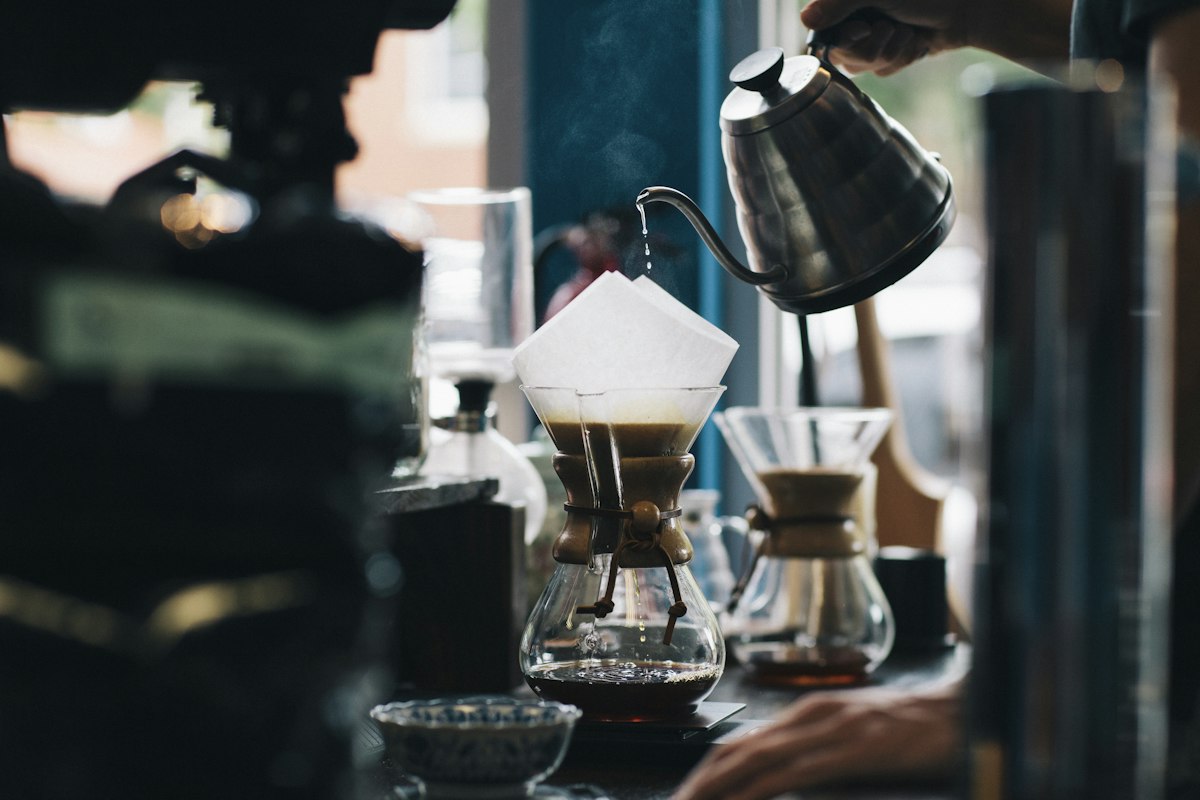
Pour-over brewing brings out the unique flavors of specialty coffee
How to Brew Café-Quality Coffee at Home
The secret to exceptional coffee doesn't lie solely in premium beans – your brewing technique plays an equally crucial role. With the right equipment and method, you can create café-quality beverages in the comfort of your own kitchen. Here's a comprehensive guide to elevating your home coffee game.
Equipment Preparation
- Grinder: Choose a hand or electric grinder that ensures even grinding
- Brewing Equipment: V60 dripper, French press, or Moka pot
- Scale: For precise coffee-to-water ratio control
- Thermometer: To maintain optimal water temperature
- Filter Paper: Quality unbleached filters
Golden Brewing Rules
- Coffee-to-Water Ratio: Recommended 1:15-1:16 (e.g., 15g coffee to 225ml water). This ratio can be adjusted to personal taste – use more coffee for a stronger brew, less for a lighter cup.
- Grind Size: For pour-over, use medium-fine, similar to fine sand. The grind should be consistent to ensure even extraction.
- Water Temperature: Light roast 90-92°C, medium roast 88-90°C, dark roast 85-88°C. Water that's too hot can over-extract and cause bitterness.
- Brewing Time: Pour-over total time should be 2-3 minutes. If brewing takes too long, your grind is too fine; if too fast, it's too coarse.
- Bloom: First pour twice the weight of coffee in water, wait 30 seconds. This releases CO2 and ensures even extraction.
Consistency is key when brewing coffee. Use a scale to measure both coffee and water precisely, and keep notes on what works best for each type of bean. Small adjustments can make a significant difference in the final cup quality. Remember, brewing coffee is both science and art – don't be afraid to experiment and find your perfect recipe.
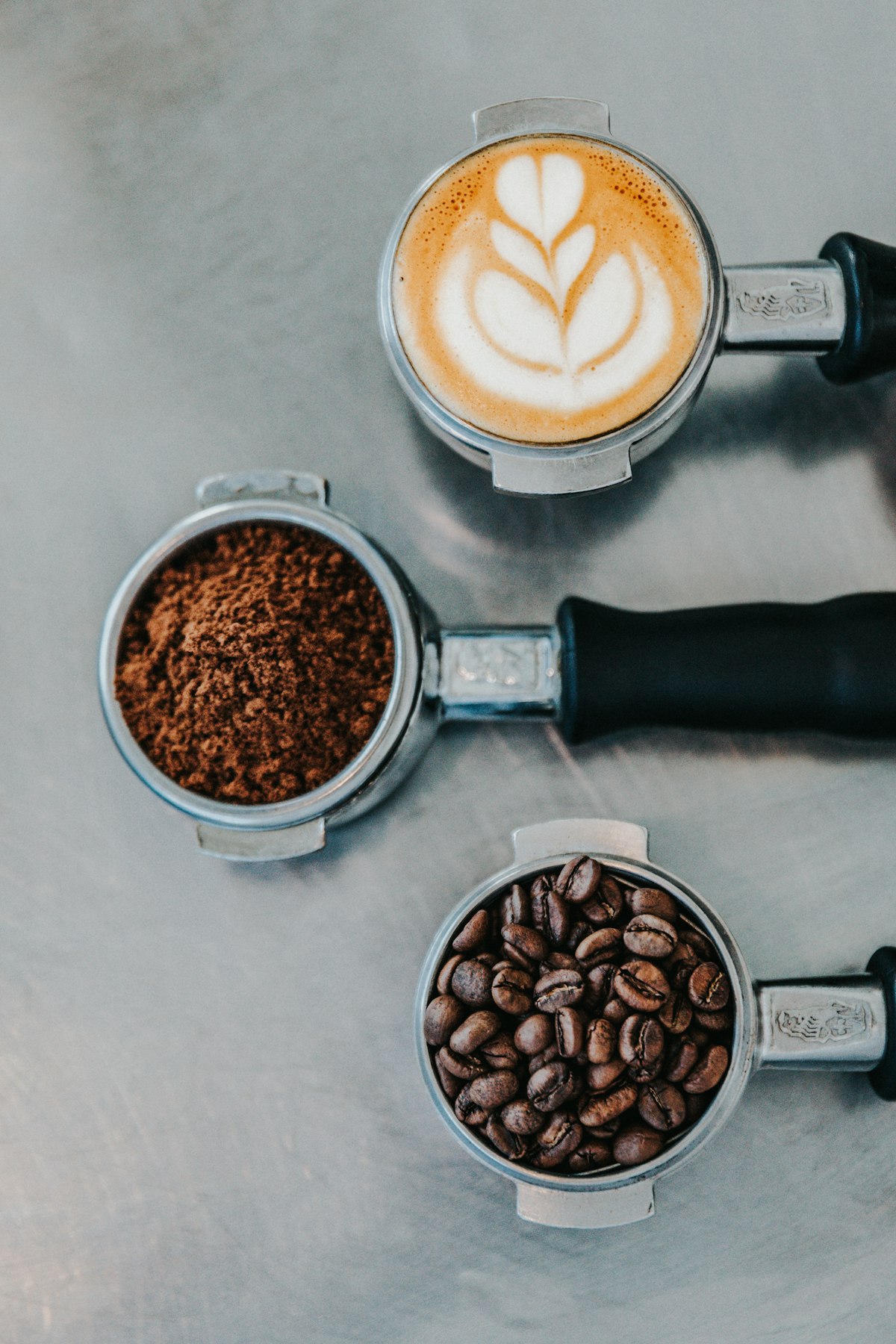
Mastering the right brewing technique is key to enjoying specialty coffee
How to Store Coffee Beans
Even the best coffee beans will quickly lose their flavor if stored improperly. Coffee is hygroscopic, meaning it absorbs moisture and odors from its surroundings, which can dramatically affect taste. Here are key points for maintaining freshness and preserving the delicate flavors you paid for:
- Keep Away from Light: Store beans in an opaque, airtight container. UV rays degrade coffee oils and aromatics.
- Cool and Dry: Keep away from heat sources and humid environments. Room temperature (around 20°C) is ideal.
- Buy Small Quantities: Purchase only what you can use in 2 weeks. Coffee is at its peak within the first two weeks after roasting.
- Grind Fresh: Ground coffee oxidizes quickly; grind just before brewing. Whole beans maintain freshness much longer.
- Don't Refrigerate: Moisture and odors in the fridge affect bean quality. Freezing is acceptable for long-term storage in airtight bags.
Invest in a quality airtight container with a one-way valve if possible. These containers allow CO2 to escape while preventing oxygen from entering, maintaining optimal freshness. Some coffee enthusiasts even vacuum-seal their beans for extended storage, though this is typically only necessary if you're storing beans for more than a month.
Conclusion
The world of specialty coffee is vast and endless, with each coffee having its unique story and flavor. In 2026, specialty coffee culture has matured into a global movement that celebrates origin, sustainability, and craftsmanship. Take a moment to slow down and savor a carefully crafted cup of coffee, experiencing the moments of tranquility it brings. Whether it's the refreshing fruity Yirgacheffe or the rich Colombian beans, each can add a sense of ritual and happiness to your life.
Remember, the best coffee isn't necessarily the most expensive – it's the one that suits your taste. Try more, explore more, and you'll find your "destined" coffee. Don't be intimidated by the complexity of specialty coffee; instead, embrace the journey of discovery. Each cup is an opportunity to travel the world through flavor, connecting you to the farmers, roasters, and baristas who poured their passion into bringing these exceptional beans to your cup.
Start your specialty coffee journey today, and you'll never look at your morning brew the same way again.